







Living Vicariously
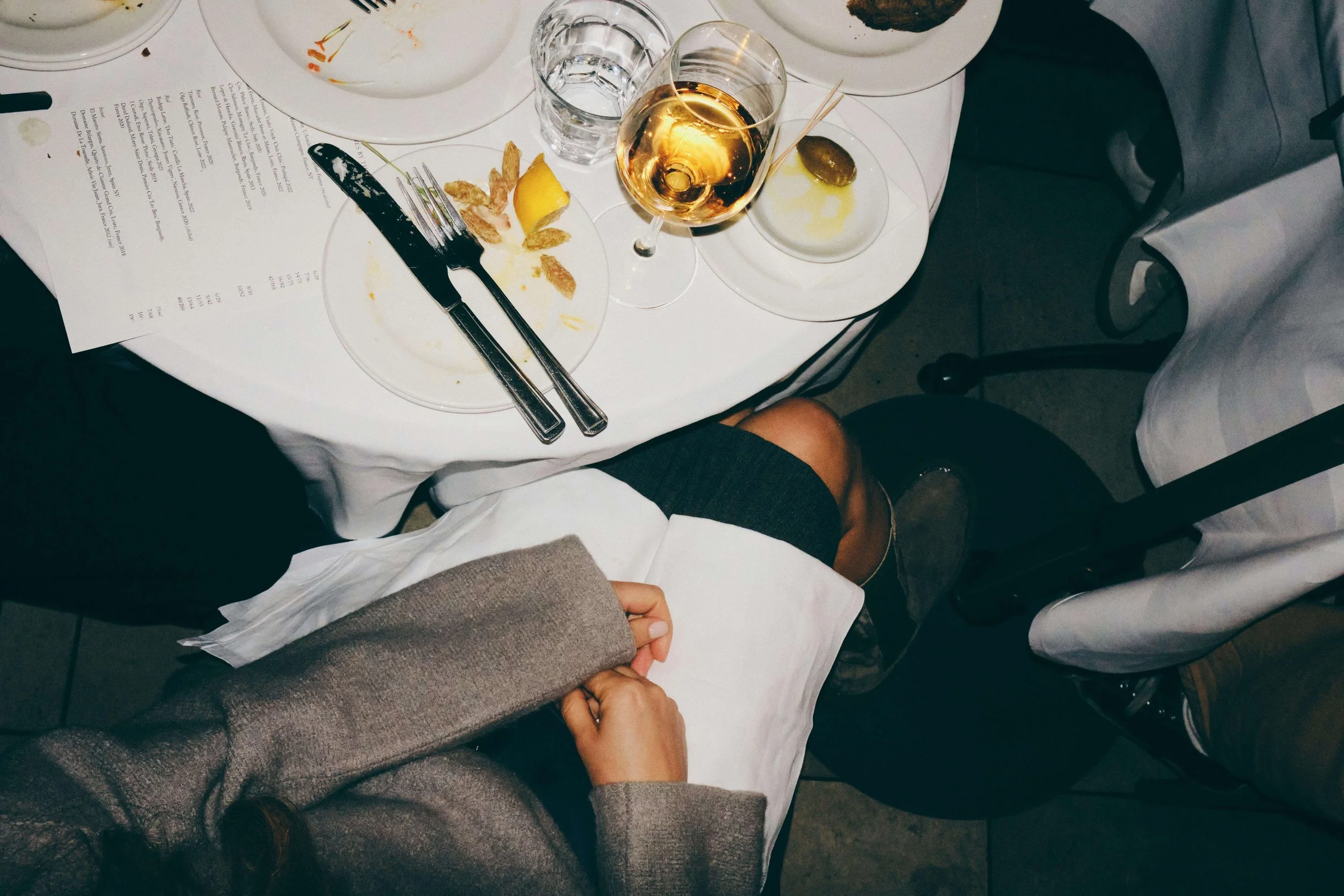
There’s a quiet ache that hums beneath modern life – a sense that everyone else is living more fully, more freely than we are. We call it “inspiration,” but it’s often a subtler seduction: the lure of living through others.
In a culture of curated perfection, we consume experiences as proxies for our own– the trip we didn’t take, the romance we envision, the career we envy, the body we idealize. We’ve built digital temples of desire, where we kneel daily to watch other people’s lives unfold.
This is the paradox of our age: never before have we had such access to beauty, yet never have we been so distanced from our own.
The Ancestral art of Imitation
Before the term “influencer” became a job title, imitation was an ancient mode of learning. Across civilizations, we mirrored what we admired: the child echoing the songs of their elders, the dancer learning through observing the body of another.
In African oral traditions, storytelling was itself a form of vicarious living. Through the griot’s voice, one could traverse lands, witness love, and battle adversity without ever leaving home. But these stories were communal mirrors designed to return us to ourselves, not distract us from our reality.
In Eastern philosophy, particularly in Buddhist and Taoist teachings, detachment from illusion is a step toward enlightenment. The concept of Māyā, “the illusion”, reminds us that mistaking appearance for essence leads to suffering. To live vicariously, then, is to be caught in Māyā’s web: seduced by shadows of life rather than its substance.
Aristotle named it mimesis… imitation as art. We’re moved by other people’s stories because they let us taste lives beyond our own. But even Aristotle warned that excessive mimesis can detach us from reason: when reflection turns into fixation, when we fall in love with the illusion more than the truth, the self starts to fade.
Across these traditions, the message endures: to witness is human, but to substitute living with witnessing is a slow forgetting of self.
The Mind Behind The Mirror
In modern psychology, vicarious living refers to deriving emotional fulfillment through the experiences of others. It’s not inherently harmful– parents, for example, may feel pride in their child’s success; fans may feel joy in their favorite artist’s victory. But when vicarious living replaces self-directed experience, it breeds emotional displacement, the quiet erosion of agency.
Social media amplifies this phenomenon exponentially. We are neurologically wired for empathy; our mirror neurons fire when we watch others experience joy or triumph. But digital empathy, without embodiment, can lead to emotional leakage: we feel as though we’ve lived without having truly done so.
We scroll, we dream, we plan, yet the very act of constant comparison numbs our own intuitive rhythm. The dopamine hit of someone else’s success replaces the slower, steadier satisfaction of building our own. We become hooked, not to the experience itself but to the nearness of it, the illusion that witnessing life is the same as living it.
The Performance of Self
Vicarious living is not only about consuming others’ lives, it’s also about performing ours.
In the west, the “self” has become a spectacle. We are both subject and object, curator and consumer, star and audience. Every outfit, meal, and milestone is documented not just for memory, but for validation.
This is the modern mirror stage: where we no longer ask Who am I? but How am I perceived?
In African philosophies, identity is relational, “I am because we are,” says Ubuntu. The self emerges through connection, not performance. In this worldview, to live authentically is to live with others, not for them. It’s a quieter kind of belonging, one rooted in contribution, not comparison.
Meanwhile, in Eastern traditions, wu wei “effortless action” teaches us that life unfolds best when we stop performing it. The Tao flows not through control but through surrender.
Often we confuse performance with purpose. The result? Exhaustion masquerading as ambition, exposure mistaken for intimacy.
Borrowed Dreams, Deferred Joy
Many of us live not according to our desires, but according to desires we’ve inherited, from family, culture, media, or peers. This is the subtlest form of vicarious living: the borrowed dream.
The Ugandan proverb says, “If you do not know where you are going, any road will take you there.” In Alice in Wonderland the Cheshire Cat once asked Alice which road she wanted to take. “That depends on where you want to go,” he said. But what happens when the road before us is beautiful, well-lit and entirely someone else’s?
Eastern thought invites us to recognize Dharma, one’s own path.. alignment. Living vicariously almost violates this sacred principle. When we chase another’s dharma, we fall out of alignment with our own life rhythm.
The modern manifestation of this is subtle: the career that looks impressive but feels hollow, the relationship chosen for stability rather than resonance, the life built for optics rather than intimacy. It’s not unhappiness that haunts us, but unfelt joy.
The Intimacy of Embodiment
To live in the moment is to return to the body – to inhabit one’s own pulse, presence, and perception. Embodiment is radical in a culture of abstraction. It asks us to taste the coffee instead of posting about it, to dance without recording it, to experience beauty without translating it into content.
From an African perspective, embodiment is ancestral– our bodies are archives of those who came before. To move, to sing, to create is to commune with lineage.
In Eastern meditation practices, embodiment is mindfulness in motion: the art of being where your body already is. When we are embodied, life expands, time slows, color returns, and meaning re-enters the mundane.
Thinkers like Merleau-Ponty argued that consciousness itself arises through the body. We do not think and then feel; we feel and thus know. To live vicariously is to abandon the body for imagination. To live consciously is to come home to it.
Presence as Luxury
Conscious luxury, at its essence, is not about accumulation but about attention. It is the ability to savor… the silk of a shirt, the warmth of sunlight, the pause before answering.
Luxury becomes hollow when it is performed for perception rather than felt through presence. The softest linens mean nothing if you are not inside the moment that holds them. The true luxury, then, is unmediated experience. It’s the quiet morning that belongs to no one but you. It’s choosing to live for the sensation, not the story.
In the context of wellness, this presence is medicinal. Studies in positive psychology show that flow– the state of full immersion, is directly correlated with life satisfaction. But flow requires embodiment; you cannot enter it while watching someone else live.
How to Return to Yourself
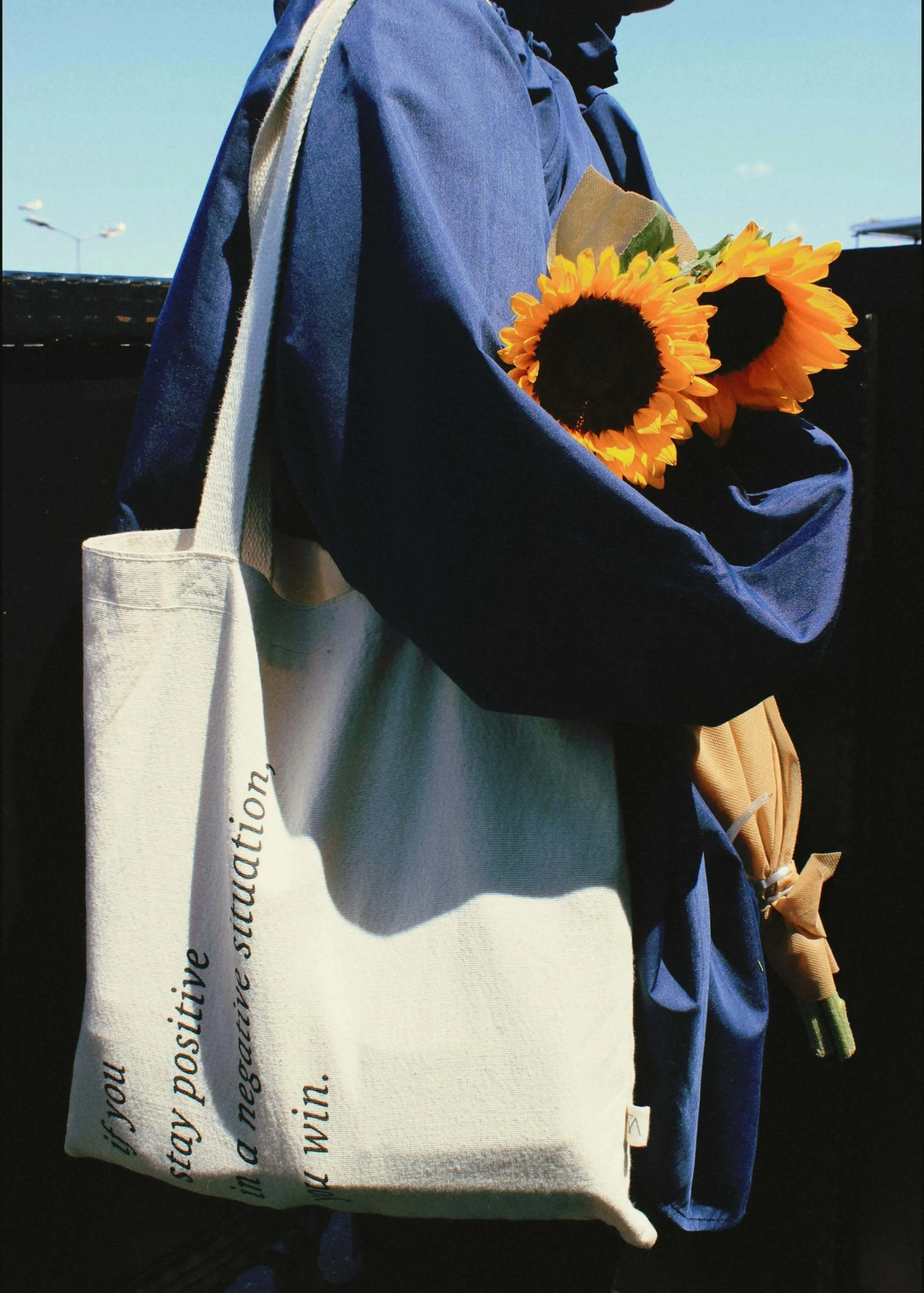
The antidote to vicarious living is not digital detox alone, it is conscious reclamation. A homecoming. Here are small practices to begin with:
Reclaim Your Mornings
Before opening your phone, open your senses. Feel your breath. Listen to your thoughts before the world intrudes. Your morning is the most sacred part of your day, don’t outsource it to someone else’s life.
Curate Conscious Consumption
Follow people who evoke depth, not envy. Replace endless scrolling with reading, art, and conversations that ground you in reality rather than performance.
Practice Embodied Rituals
Cook slowly. Walk barefoot. Journal by hand. These tactile moments pull you back to the truth that you are made of more than pixels and productivity – you are flesh, breath, and feeling.
Redefine Success
Ask: Does this feel true, or does it just look good? Authentic success aligns with your nervous system, it expands you instead of depleting you.
Choose Witnessing with Intention
It’s beautiful to be inspired by others. But pause and ask: What does this awaken in me? Let admiration become activation.
From Witnessing to Becoming
Imagine if every moment spent admiring another person's courage became an invitation to act on your own. If every spark of envy transformed into a compass pointing toward your unmet desires.
That is the art of transformation, turning vicarious energy into creative force.
In Akan philosophy, there is no separation between one person’s becoming and another’s. The concept of Sankofa – to go back and fetch what is forgotten, reminds us that what we admire in others may be something we’ve left behind in ourselves. Inspiration is not imitation, it’s ancestral memory calling us home.
American philosopher Emerson urged us to trust our “inner voice.” To live fully is to be original, even imperfectly so.
Reflection
Perhaps living vicariously is not our flaw but a longing, a symptom of our deep hunger for beauty, freedom, and feeling. It’s proof of our capacity for empathy, our desire to belong to something bigger than us.
But life asks us to move from watching to becoming. To shift from projection to participation.
Because no image, no story, no scroll can capture what it feels like to be alive – the heartbeat of your own desire, the salt of your own sorrow, the soft triumph of becoming yourself.
To live vicariously is to drift through borrowed dreams.
To live consciously is to rise into your own becoming.
And in this awakening lies the deepest luxury of all – to feel every breath, every ache, every joy as your own.
Related reading: How to Stop Worrying and Start Living Wellness Retreats