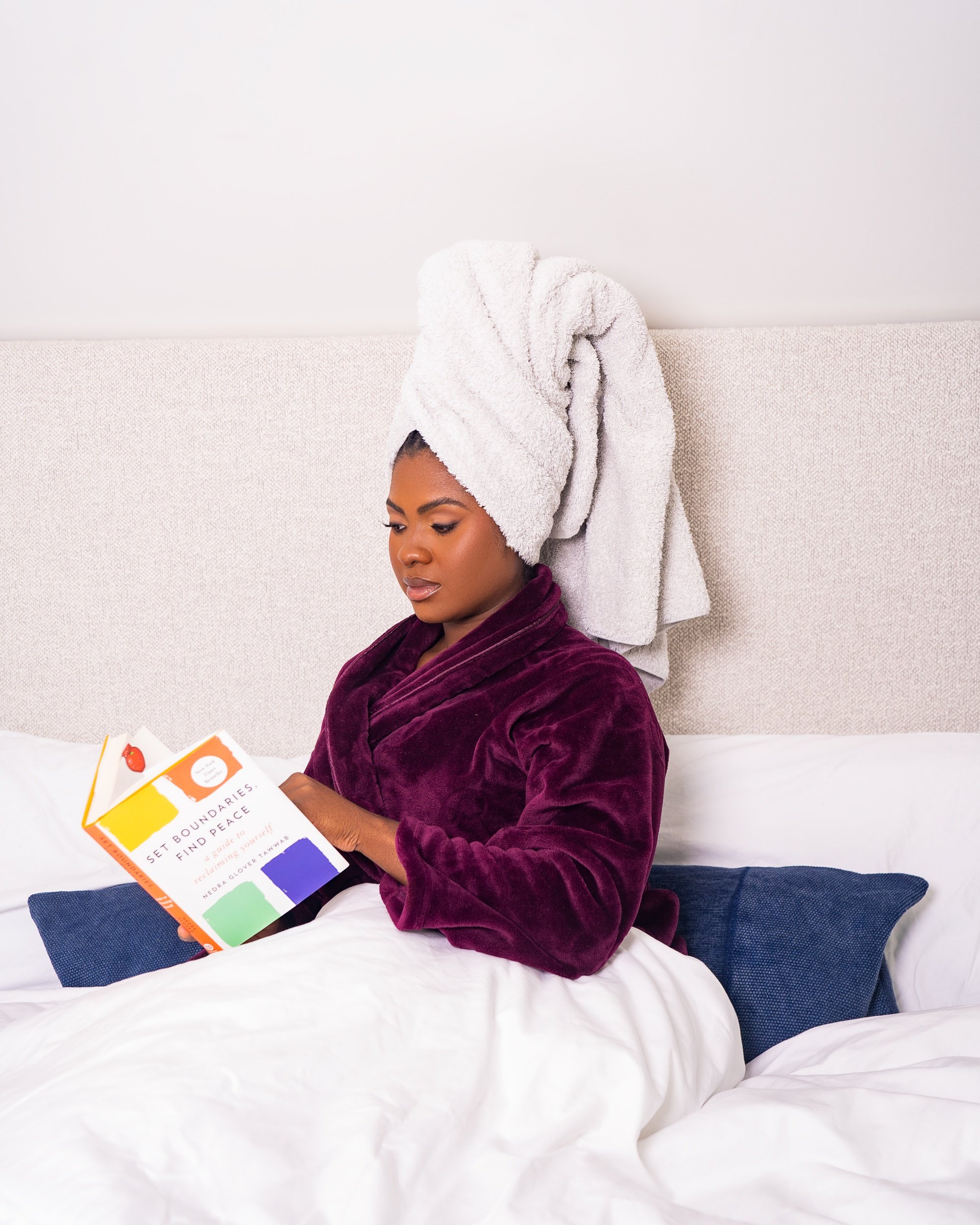







Living Alone

A regulation-first way to live softly, wherever you call home
There are seasons when a woman lives alone and the world acts like she’s either brave or broken.
Too independent. Too quiet. Too much time with her thoughts. Not “settled” yet. Not “chosen” yet. Or the opposite: romanticized into an aesthetic—candles, linen sheets, a tidy kitchen—like solitude is only valid if it photographs well.
But our ancestors knew something modern life keeps forgetting: solitude can be sacred without being lonely. And home can be medicine when it’s built for the body, not for performance.
In many cultures, women have always made “inner rooms.” Not always private bedrooms or apartments (that kind of space is a modern privilege), but pockets of sanctuary: the corner of a courtyard at dusk, the kitchen before everyone wakes, the bathhouse, the prayer mat, the braided circle, the quiet bench outside the market. Places where you could exhale without explanation. Places where you could be with yourself, and still be held by community.
That’s the invitation here. Not “living alone” as a status, but living with yourself as a practice. A nervous-system-soft way of moving through your days — whether you live solo, share a home with a partner, have children underfoot, live with family, or are never truly alone.
Because the real question isn’t Do you live alone?
It’s: Do you have a home inside your life where your body can unclench?
“Living alone isn’t the absence of love. It can be the return of your own attention.”
Solitude isn’t loneliness (and your body knows the difference)
Let’s get clinical for a moment, in plain language.
Your nervous system is always running a quiet scan: Am I safe? Am I seen? Do I belong? When the answer is “yes,” the body softens. Breath deepens. Digestion works. Sleep comes easier. You can feel pleasure, creativity, curiosity. You can connect without bracing.
When the answer is “no,” the body protects you. Shoulders rise. Jaw tightens. You scroll. You snack. You overwork. You numb. You keep one eye open emotionally, even in your own bed.
Loneliness isn’t just being by yourself. Loneliness is disconnection without choice: a persistent sense that you’re not met, not held, not understood, not anchored in belonging.
Solitude, on the other hand, can be chosen aloneness: space that you control, where you can hear yourself again. Where you can grieve without being managed. Where you can laugh without being watched. Where you can stop performing “fine.”
And here’s what matters: your body responds differently to each.
In loneliness, your body often feels restless, searching, slightly panicked.
In healthy solitude, your body often feels quieter, more spacious, more you.
So the work isn’t to force yourself to love living alone. The work is to learn the difference between being alone and being unsupported, and then build your life so you’re never abandoned inside it.
The hidden gift of living alone: you meet your patterns in the doorway
When you live alone, there’s no one to buffer you from yourself.
No partner to absorb the day’s friction. No roommate energy to bounce off. No background noise to keep you distracted from the ache you’ve been carrying politely.
Living alone can be tender like that. It will show you:
how you come down from stress
what you do when you’re not being witnessed
what you default to when you’re overstimulated
what kind of care you’ve been postponing
what you reach for when you’re lonely (and whether it actually nourishes you)
For some women, that mirror is uncomfortable at first. You may realize you keep the TV on because silence feels too intimate. You may notice you don’t eat properly unless someone else is around. You may discover you only clean when shame shows up. Or that you don’t fully rest unless you’ve “earned” it.
This is not a moral failing. It’s information.
Living alone gives you the rare chance to ask: What do I actually need to feel steady?
Not what looks impressive. Not what makes people approve of your lifestyle. What your body needs.
“Your home should feel like permission, not a performance.”
If you don’t live alone, this still belongs to you
Let’s name it with love: a lot of women reading this are partnered, married, parenting, living with family, sharing rent, or existing in a home where privacy is limited.
And sometimes the loneliest women aren’t the ones living alone. Sometimes the loneliest women are the ones who share a bed with someone who doesn’t really meet them.
So yes, this essay is for you too.
Because “living alone” can also mean:
claiming solitude inside a shared life
building micro-rituals that bring you back to yourself
learning to regulate your nervous system without needing everyone else to change first
making your home a place where you can be a full person, not just a role
If you share a home, consider this your permission slip: you are allowed to have a room, a corner, a time of day, a ritual that is yours. Not as rebellion. As maintenance. As dignity.
And if you have never lived alone, or you no longer do, this can still be a love letter to the part of you that craves space. Not space away from people you love, but space away from the constant demand to be “on.”
Make your home a nervous-system ally
The soft life isn’t just baths and boundaries quotes. The soft life is environmental.
Your nervous system responds to:
light
sound
clutter/visual noise
scents
temperature
the pace of your routines
the predictability of your environment
When your home is chaotic, your body stays on alert. When your home is steady, your body learns a new baseline: We can exhale here.
Here are the pillars of a regulation-first home—whether you live in a studio apartment, a shared house, or a family home.
Light that tells your body it's safe
Harsh overhead lighting keeps many people wired. Warm, lower lighting signals evening, safety, softness.
Try:
• one warm lamp in the main space
• candles only if they feel calming (not like pressure to be “that girl”)
• opening curtains in the morning to cue daytime energy
This isn’t aesthetic, it’s nervous system language.
Sound that soothes, not stimulates
Silence can be healing for some and activating for others. Both are valid.
Try:
• a playlist that feels like your “home soundtrack”
• brown noise or rain sounds if your mind spirals in quiet
• one daily “soft reset” (even 5 minutes) to teach your body it can be still
A homecoming ritual for arriving back to yourself
When you walk in, your body should know what happens next. Predictability is calming.
Try a 2–5 minute sequence:
• shoes off
• phone down (even briefly)
• wash hands
• change into home clothes
• drink water
• open a window or step onto a balcony for three slow breaths
Do it like a blessing, not a chore.
One surface that stays clear
Not your entire home. Just one surface.
A small altar of steadiness: a bedside table, a corner of the kitchen counter, the top of a dresser.
Keep it simple:
• a book you're actually reading
• a tissue box
• an eye mask
• a carafe
This becomes a visual cue: we’re cared for here.
A boundary that protects your peace
When you live alone, boundaries can look like:
• not answering calls after a certain hour
• not inviting chaos into your space
• not keeping people around who make your home feel like a stage
When you live with others, boundaries can look like:
• a closed door means “don’t come in”
• a scheduled hour for alone time
• headphones as a clear signal
• shared agreements about noise and chores (yes, even if it feels awkward)
Boundaries aren’t cold. They’re the architecture of calm.
“A soft life is not a lack of ambition. It’s a refusal to live in a constant state of alarm.”
The emotional intimacy of living alone
Living alone is a relationship. And like any relationship, it asks for honesty.
It asks:
Can you sit with yourself without negotiating your worth?
Can you tolerate quiet without reaching for a quick fix?
Can you be kind to yourself when no one is watching?
Can you make a meal for one and treat it like it matters?
For many women, living alone becomes the place where self-abandonment is finally exposed.
You realize you’ve been reserving your best care for “when someone else is here.” You light the candle when guests come. You cook well when you’re feeding someone you love. You tidy for company, not for yourself. You save the nice robe for a version of life that hasn’t arrived yet.
This is your reminder: you are company.
And you deserve to be hosted.
Not in a fake, Pinterest-perfect way. In a real way. In the kind of way that says: I live here. I matter here. My nervous system lives here too.
The practical side: safety, money, and community (because softness needs structure)
Conscious luxury isn’t just beautiful things—it’s support systems.
If you live alone, it’s wise (not paranoid) to build gentle structure around your safety and stability.
Safety practices that don’t steal your peace
Share your location with one trusted person (if that feels right)
Keep a simple “check-in” routine with a friend (a voice note, a text)
Trust your instincts about who comes into your home
Know your building/neighbourhood rhythms (what feels normal, what doesn’t)
Safety isn’t fear. It’s care.
Money practices that protect softness
Living alone can be financially tender. Rent, bills, groceries, everything is on you.
Softness here looks like:
a simple “bare minimum” budget that covers essentials
a tiny emergency buffer (even if it starts with $10/week)
automating what you can so you don’t live in constant financial decision fatigue
If you’re partnered/married: softness can look like shared transparency, shared planning, and not carrying the invisible admin alone.
Community: the antidote to loneliness
If you live alone, don’t confuse solitude with isolation. Your nervous system still needs belonging.
Belonging can be:
a weekly call with a friend
a class where people know your name
a faith community or cultural community
a monthly dinner tradition
a walking buddy
a group chat that doesn’t drain you
You don’t need a huge circle. You need reliable warmth.

How living alone reshapes your standards (quietly, powerfully)
One of the most underrated shifts that happens when you live alone, especially after a difficult relationship or a period of chaos—is that your tolerance changes.
Your body gets used to peace.
You get used to:
not being criticized in your own space
not being monitored
not being rushed
not being pulled into someone else’s mood
not negotiating your rest
And then—this is the part nobody tells you… you become less willing to invite dysfunction back in.
Not because you’re “too picky.”
Because your nervous system finally learned what calm feels like.
This is where “living alone” becomes a kind of standard-setting.
You start asking, gently but firmly:
Does this person add softness or add stress?
Do I feel more like myself with them or less?
Does my body relax around them?
Do I have to explain basic respect?
And if you’re partnered, living “alone” in the sense of self-possession matters too. A woman can be deeply in love and still belong to herself. She can keep her own center. She can have a nervous system that doesn’t depend on someone else’s mood to feel okay.
That’s not detachment. That’s maturity.
A ritual for 2026: The Homecoming Practice
Here’s a ritual you can keep all year. It’s small enough to be real. Do this when you arrive home or when you want to “come home” inside a shared space.
The Soft Homecoming (7 minutes)-
Lower the lights. Put on a calming sound. Open a window for one minute.
-
Even if it’s just for two minutes. Your brain needs proof that you’re not “on call” 24/7.
-
Warm or cold water on your hands. Brush your hair. Put on a robe. Make a cup of tea. Cozy up in a warm blanket.
-
“what do I need to feel held right now?”
-
Not the perfect version. The smallest.
If the answer is “rest,” lie down for five minutes.
If the answer is “order,” clear one surface.
If the answer is “connection,” send one voice note to someone safe.
If the answer is “movement,” stretch for sixty seconds.
If the answer is “comfort,” make something warm.
This is regulation. This is self-trust. This is soft life logistics.
This is regulation. This is self-trust. This is soft life logistics.
Reflection: living alone as a way of belonging to yourself
Living alone isn’t a personality trait. It’s not a relationship status. It’s not a flex.
It’s a season that can teach you how to be with your own life, without rushing to fill every quiet moment with noise, or every ache with a substitute.
And even if you don’t live alone, the deeper invitation remains: create a home inside your life where you can be a full human being. Not only a partner. Not only a mother. Not only a daughter. Not only a high-achiever. A woman with breath, body, needs, and softness.
In 2026, I want that for you.
Not the kind of softness that denies reality.
The kind that holds reality gently—so you can keep living.
A question for you
Do you love living alone—or are you learning to?
And if you don’t live alone, where do you go to be alone inside your life?
Drop your answer in the comments below, or save it for Sunday and join Resonance below. A place to gather is forming here. This isn’t just content, love—this is practice.