






Ancestral Conversations: On Identity, Bloodline, and Belonging
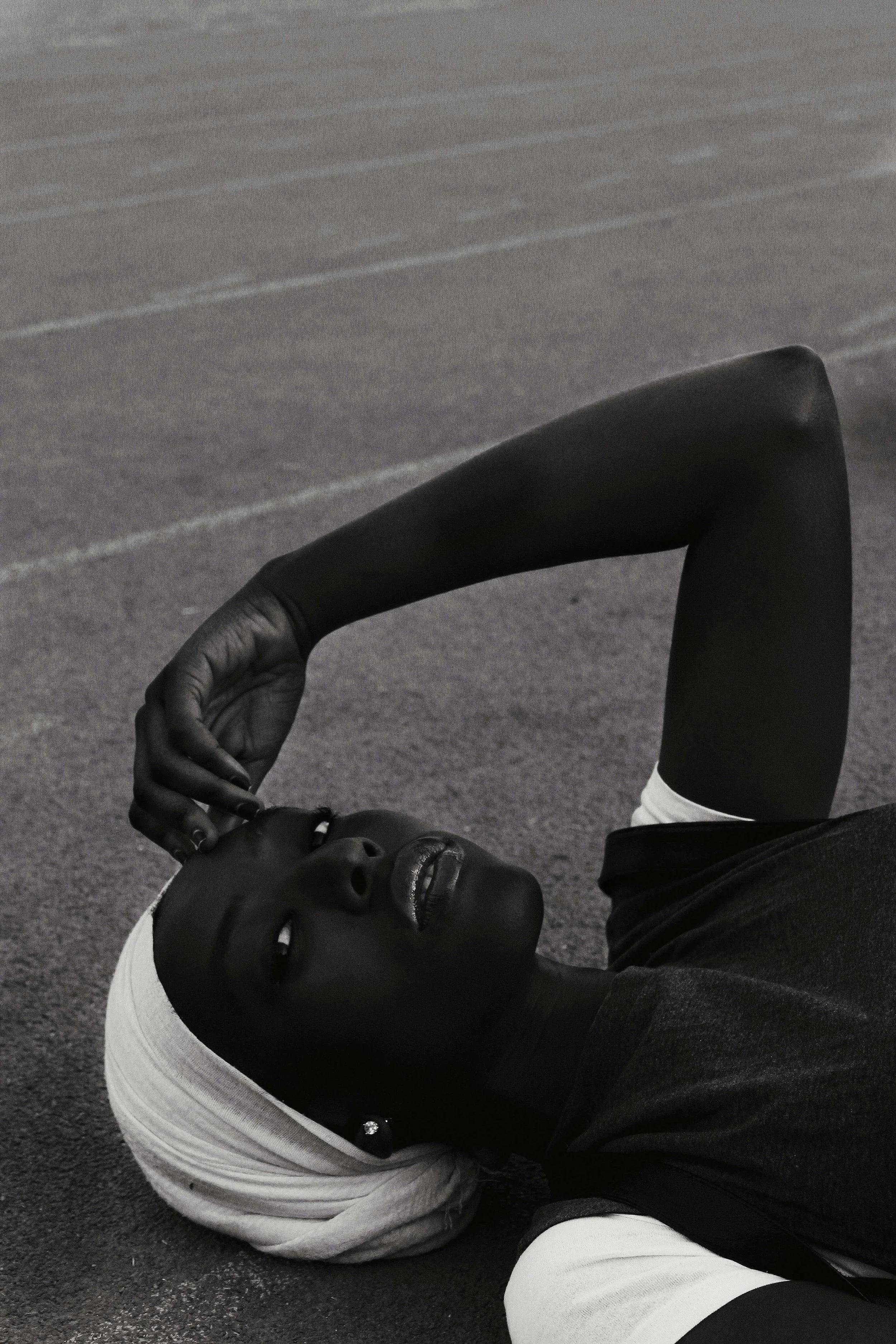
A meditation on lineage, womanhood, and the truths we inherit long before we learn to name them.
Culture is often reduced to what can be seen — language, dress, ritual, tradition, the visible poetry of belonging.
But what shapes us most is rarely the most visible.
It lives in emotional inheritance. In attitude. In silence. In expectation. In the private codes that govern love, duty, survival, womanhood, and selfhood long before we have the language to name them. It lives in what is praised, what is concealed, what is passed down without explanation, and what is felt even when it is never spoken.
Ancestral Conversations begins there.
It is a space for examining identity through a deeper lens: through bloodline, memory, inherited patterns, spiritual knowing, cultural intimacy, and the quiet tension between connection and disconnection. Not ancestry as performance, but ancestry as something lived. Carried. Questioned. Honoured.
Because heritage is not only expressed in what a family wears, cooks, celebrates, or remembers aloud. It is also expressed in temperament, in worldview, in relational dynamics, in the shape of longing, in the way closeness is offered or withheld, and in the expectations a woman learns to carry without ever being asked whether they belong to her.
What do we inherit beyond what is visible?
What enters a life unnamed, yet deeply felt?
What in us is personal, and what is bloodline?
What do we honour, and what do we outgrow?
Where do we feel rooted, and where do we feel divided?
These are the questions beneath the surface.
These are the conversations that shape a life.
Beyond the Visible
Much of what is called culture is presented through its most legible expressions. That is understandable. Surface travels easily. It photographs well. It is celebratory, recognisable, and safe.
What is less often explored is the interior life of culture.
The emotional atmosphere of a family. The beliefs that quietly organise a household. The inherited understanding of duty, sacrifice, loyalty, femininity, grief, ambition, tenderness, and restraint. The things a woman is taught to embody. The things she is taught never to say. The parts of herself she learns to soften or ignore in order to remain loved, legible, or loyal.
These inheritances are not always dramatic. Often, they are subtle. A gesture repeated and witnessed across generations. A silence that becomes a rule. A fear that disguises itself as discipline. A form of love that arrives clothed as control. A truth everyone feels, yet no one names.
And still, these patterns shape a life.
There is often a great deal of protection around what happens within families and communities. Sometimes that protection comes from reverence. Sometimes from shame. Sometimes from fear. Sometimes from the understandable instinct to preserve the family unit, even when its inner realities are far more complex than its outer image allows.
But complexity does not disappear because it is unspoken.
And denial does not make inheritance any less real.
Ancestral Conversations exists for those who have sensed, perhaps for years, that culture is never only external. It is internal. Psychological. Spiritual. Relational. It lives in the body as much as in memory.
For the Woman living Between worlds
This is for the woman who has always felt that her identity was being interpreted too narrowly.
For the woman whose inner life has never been fully reflected by the place she lives, the society surrounding her, or the expectations she has inherited. For the woman who has felt the distance between who she is and who she was assumed to be. For the woman who has tried to understand why certain roles, certain values, or certain visions of belonging have never sat easily in her spirit.
It is for the woman who loves where she comes from, yet still lives with questions. The woman who feels both intimacy and estrangement. The woman who understands that heritage can be a source of beauty and rupture, grounding and tension, wisdom and ache.
And it is for the woman who has long suspected that what she carries is not hers alone.
That some part of her interior world has been shaped by histories she did not choose, loyalties she did not consciously make, and emotional inheritances she was expected to embody before she ever had the chance to examine them.
To live with that awareness is not disloyal. It is discerning.
My Own Return
For as long as I can remember, I have been drawn to questions of origin.
I asked them first of my mother and my maternal grandmother, and later of my father. There has always been something quietly magnetic, for me, about understanding where I come from — as though clarity about my lineage might also illuminate something essential about myself.
That curiosity deepened in 2020, in the slowed interiority of the pandemic, when life became quieter and certain questions became louder. Then, in 2023, it sharpened through grief.
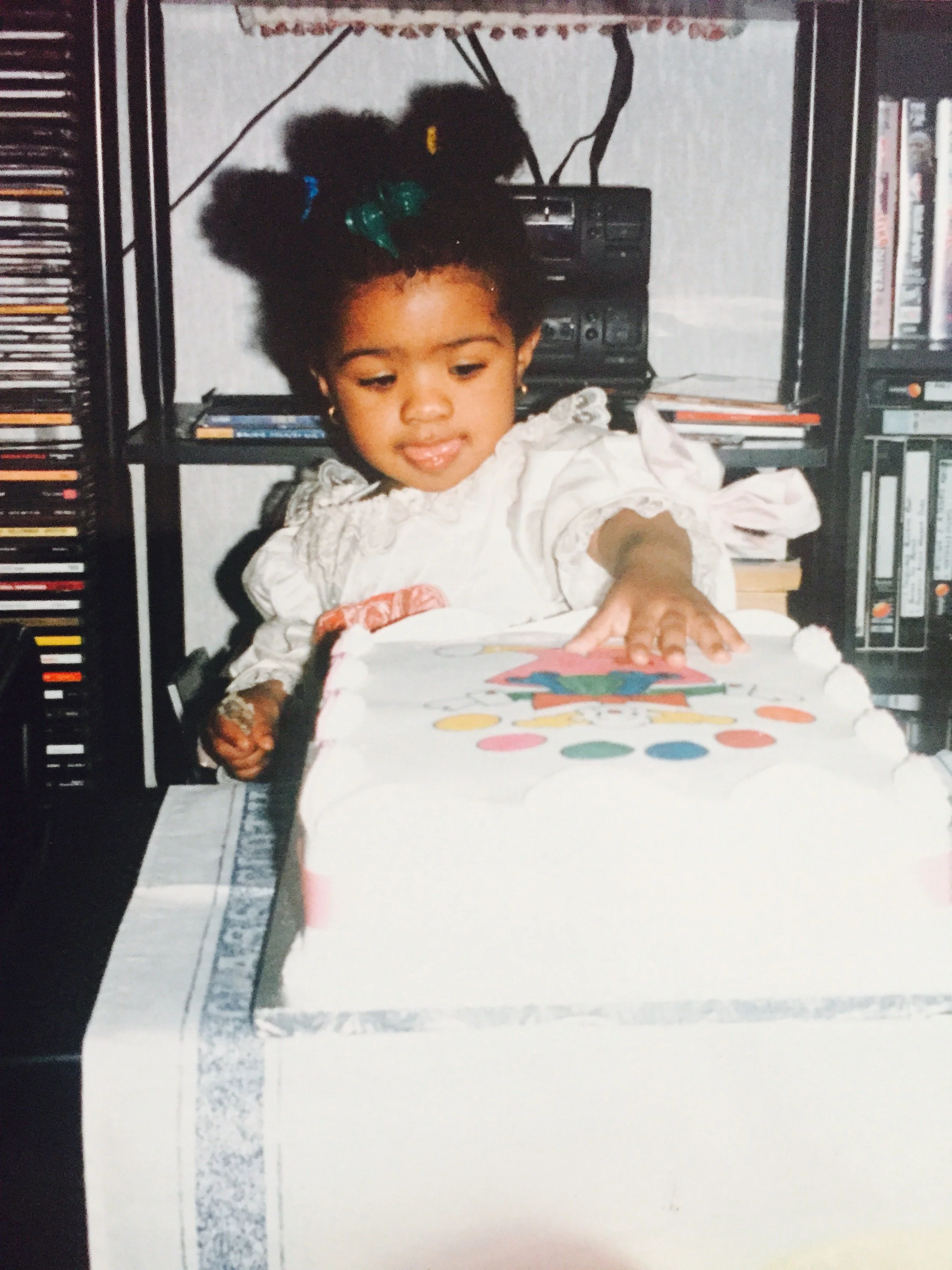
Me on my birthday!
After my uncle passed away, I watched the effect it had on my maternal grandmother’s health. It changed something in the way I understood family memory — not as abstraction, but as something living. Something physiological. Emotional. Immediate.
Loss has a way of stripping away the decorative and returning us to what is elemental.
It reminds us that ancestry is not aesthetic. It is bloodline. It is memory carried in bodies, in bonds, in behaviours, in nervous systems, in gestures, in grief. It is the story of who endured, who adapted, who remained silent, who held a family together, who could not, and what all of that continues to ask of us now.
Sometimes a single family event reveals the architecture of generations.
Sometimes grief does not only break the heart open. It sharpens perception.
What Ancestral Means Here
Here, the ancestral is not spectacle. It is not fantasy, performance, or a way of escaping reality.
It is lineage. Bloodline. Honour. Health. Memory. Pattern. Spirituality. Storytelling. Inherited wisdom, yes, but also inherited contradiction. It is the understanding that what is passed down can be beautiful, burdensome, sacred, unfinished, or all at once.
To speak of ancestry with honesty is not to romanticise it. Nor is it to weaponise it. It is to approach it with enough reverence to tell the truth.
That truth may include love. It may include fracture. It may include resilience, denial, tenderness, secrecy, devotion, estrangement, courage. Most often, it includes complexity.
And complexity deserves language.
Because once something is named, it can be met more consciously. Not to assign blame, but to restore context. Not to reduce identity, but to deepen it. Not to remain bound to every inheritance, but to understand what has shaped you before deciding what you wish to carry forward.
Knowledge, in this sense, is not merely insight. It is empowerment.
“What shapes us most is rarely the most visible.”
A More Honest Belonging
One of the quieter sorrows of modern life is how many women move through it feeling subtly estranged from themselves.
They sense an inheritance, but cannot fully locate it. They feel the weight of expectation, yet struggle to identify its origin. They know there is a tension between who they are, who they were taught to be, and who they may yet become.
Ancestral Conversations is an invitation into a more honest form of belonging.
Not belonging built on performance.
Not belonging preserved through silence.
Not belonging that asks a woman to sever parts of herself in order to remain acceptable.
But belonging rooted in truth — the truth of what shaped you, the truth of what lives in you, the truth of what your bloodline carried before your arrival, and the truth of what your own life may now be asking you to examine with greater care.
Sometimes healing begins not with resolution, but with recognition.
Sometimes honour looks like telling the truth gently.
Sometimes courage is simply refusing to remain superficial about your own life.
The Conversation

Ancestral Conversations is, at its heart, an invitation: to look more closely, to listen more deeply, to honour the complexity of identity without reducing it to what is easiest to explain.
Because ancestry is not only about where you come from.
It is about what your bloodline has carried and concealed. What it has survived and sanctified. What it has protected, distorted, buried, or passed forward. It is about what lives on in you and what, with awareness, may be transformed by you.
To reflect.
To remember.
To question.
To honour.
To connect.
This is where the conversation begins.
Related Reading
Related reading: how to stop worrying and start living living alone what is intentional living?